
Before game developers even start thinking about translating their game into other languages, most times, they have already decided to release it in English, no matter which language was used to develop the game. As a matter of fact, many choose to localize their game into English first, for various advantageous reasons. But why is this process so common? And more importantly, what are the benefits of this approach? In this blog, we’ll explore why localizing a game into English first might be a good idea, the benefits it brings, and what to watch out for when taking this route.
Why Localizing a Game Into English First
The idea of localizing a game into English first might sound a bit unusual, especially if you already have localization in mind and the original language of the game is something other than English. You might wonder, “Why not just translate the game directly into all target languages?” After all, if a game is being launched globally, wouldn’t it make more sense to translate it into all the desired languages at once? Well, yes, but choosing this route might actually be more beneficial. English is the dominant global language, especially in the gaming world. Many games are first created or released in English, or at least, have an English version planned early on because of its broad appeal and the sheer number of English-speaking gamers worldwide. There are a few reasons why localizing a game into English first might be a great choice for developers.
Let’s look at them!
Advantages of Localizing a Game Into English First
English as a Starting Point
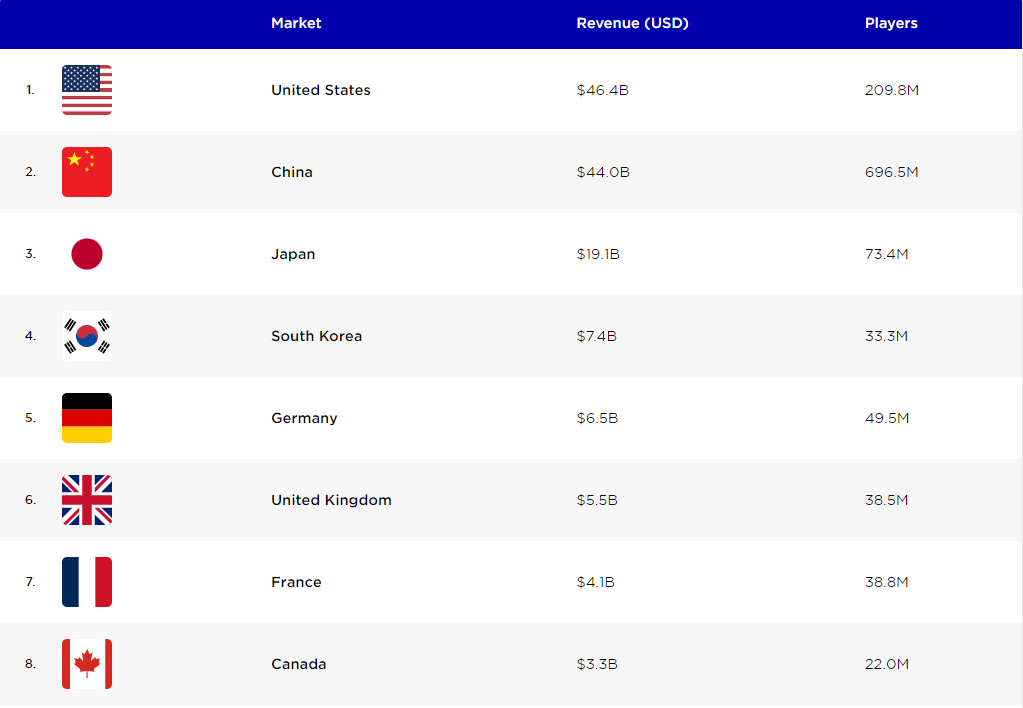
Even if you are still unsure about localization, we can all agree the first step towards going global would be to have at least an English version of your game. English, despite the proficiency level changes from country to country, it’s still a global language, and when compared to any other language can by far give you the most reach, so it can be a fair compromise if you are still considering whether to localize into other languages or not. On top of that, English speaking markets account for a substantial part of the worldwide gaming population.
Cost Effectiveness
Yes, languages have a significant impact on the cost. Localizing a game from let’s say Chinese into multiple languages is going to cost you more than localizing it from English. Why? Generally, the rarer the language combination, the higher the translation rate, therefore, translating the game into English first, can cut down costs quite a bit.
What to Watch Out For When Localizing your Game Into English First
Ok so you decided to localize your game into English first, what now? Well now you’ve got to consider a couple of things that if not carefully managed will cause some problems.
Risk of Meaning Loss
One of the most common risks when you localize a game into English first is that meaning can be lost in translation—literally. When you translate the game into English first and then into another language, you’re adding an extra layer of interpretation. This can sometimes lead to subtle shifts in meaning, especially if the English translation isn’t perfectly accurate. Imagine a joke that was tricky to translate into English. If the English version doesn’t fully carry the original intent, then the translations into French, Italian, or Spanish may drift even further from the intended meaning, leaving players scratching their heads.
Horrible Translations
Oftentimes, to cut down costs, the initial translation into English first gets done either using Machine Translation, or sort of DIY style. Here’s the thing, when the initial translation is carried out using MT or who knows what, it will result in an overall bad translation that will ultimately serve as the source for all other translation. This will create a chain reaction of bad translations, ultimately resulting in a bad overall localization. Ask yourself this: If the source is bad, how can the target be good?
Inconsistent Translations Across Languages
When translating into English first, there’s a risk of inconsistency across languages. This can easily be avoided, and it’s usually the result of a poor initial translation. This can cause sentences to be unclear, leaving translators with no other choice than to interpret the meaning, increasing the risk of inconsistency across languages.
Best Practices for Localizing a Game Into English First
If you decide to localize a game into English first, there are a few best practices to keep in mind to ensure a smooth and successful localization process:
Use Professional Translators
Always work with professionals. There’s a reason why translating is a job and not a hobby. If you want to avoid meaningless sentences and confusing lines make sure to work with professional translators every step of the way, from the initial translation, to the subsequent translations.
Create a Glossary
Before translation begins, develop a glossary of important terms, names, and phrases that need to be translated consistently. This will help maintain consistency across all languages.
Create a Style Guide
Along with a glossary, a style guide will help translators maintain consistency across multiple languages. Along with the glossary, a style guide is an important part of the localization kit.
Answer Queries and Provide Context
This is by no means exclusive to this type of situation, you should always respond to queries and provide the translators with context. By doing so, you’ll eliminate the chance of misunderstandings, guesswork and inconsistencies.
Conclusion
Choosing to localize a game into English first is a smart strategy for many game developers, offering a cost-effective way to reach new markets. However, like anything in life, do it incorrectly and you will not see the results you hoped for. By following these tips and working with a localization provider, developers can ensure their game does not go undetected to the myriad of players waiting to play it.